Clinical Case Report: Supportive Neuro-Rehabilitation Using NeuroReBorn™ Clinical Ultra
Patient Name: Mrs. Eleanor Thompson
Age: 80 years old
Gender: Female
Address: San Jose, California, USA
Medical History
Mrs. Eleanor Thompson experienced an ischemic stroke approximately 2–3 years prior to this report. Since the cerebrovascular event, the patient has suffered from persistent neurological and functional impairments, predominantly affecting the left side of the body.
- Complete paralysis of the left upper limb, accompanied by visible left shoulder subluxation
- Severe muscle spasticity affecting both upper and lower extremities
- Left lower limb weakness; patient is able to ambulate short distances with marked fatigue
- Chronic numbness and tingling in hands and feet
- Speech difficulty, shortness of breath, and frequent coughing episodes
- Long-standing hypertension, managed with daily antihypertensive medication
Blood Pressure Monitoring
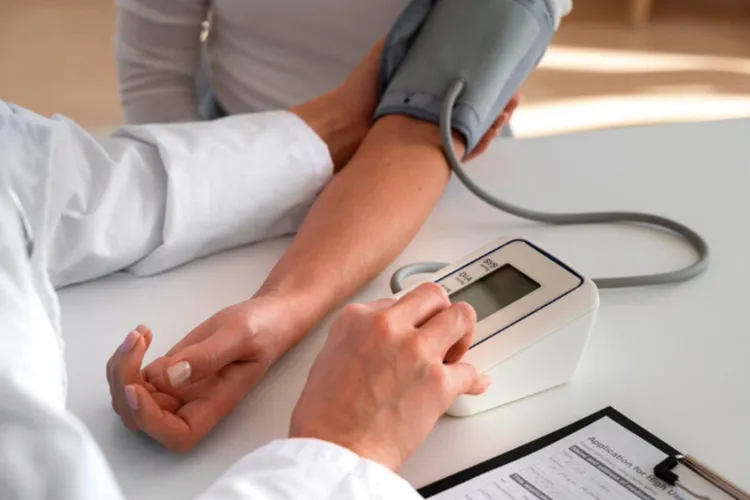
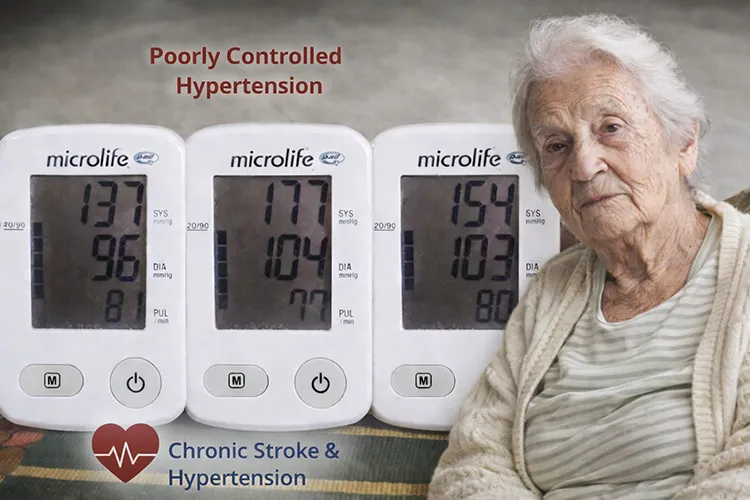
Blood pressure measurements were obtained using a Microlife automatic blood pressure monitor during a single home assessment session while the patient was at rest.
Measurement Time: Afternoon (approximately 4:00–4:30 PM)
Patient Condition: Awake, resting, no physical exertion prior to measurement
- Left Arm: 137 / 96 mmHg – Pulse 81 bpm
- Left Leg: 177 / 104 mmHg – Pulse 77 bpm
- Right Arm: 154 / 103 mmHg – Pulse 80 bpm
- Right Leg: 202 / 112 mmHg – Pulse 76 bpm
These readings indicate poorly controlled hypertension, with significant systolic and diastolic elevation, particularly in the lower extremities. The marked discrepancy between upper and lower limb measurements suggests impaired vascular compliance and autonomic nervous system dysregulation, commonly observed in chronic post-stroke patients.
Clinical Assessment
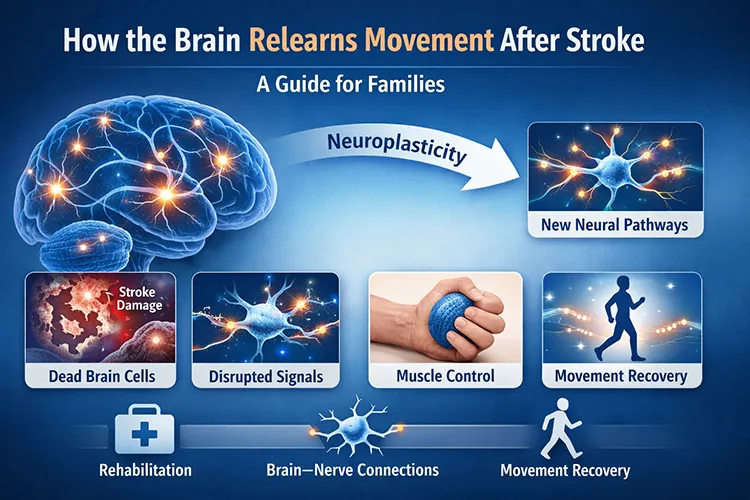
The patient’s condition reflects a chronic post-stroke neurological deficit rather than an acute or reversible stage. Muscle stiffness and functional limitations are primarily driven by disruption of central neural pathways, not by peripheral muscular pathology alone.
Manual massage and acupressure provided only transient relief (1–2 hours), as these interventions do not address the underlying impairment in neural signal transmission between the brain and affected limbs.
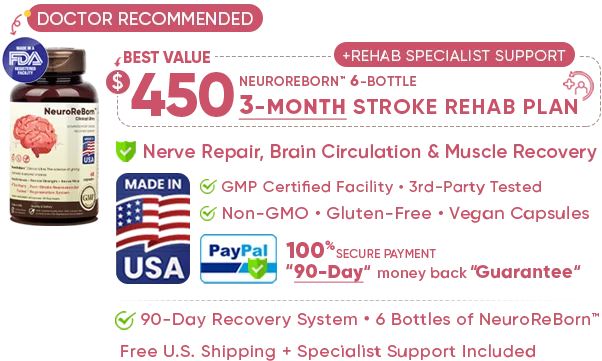
Supportive Intervention with NeuroReBorn™ Clinical Ultra
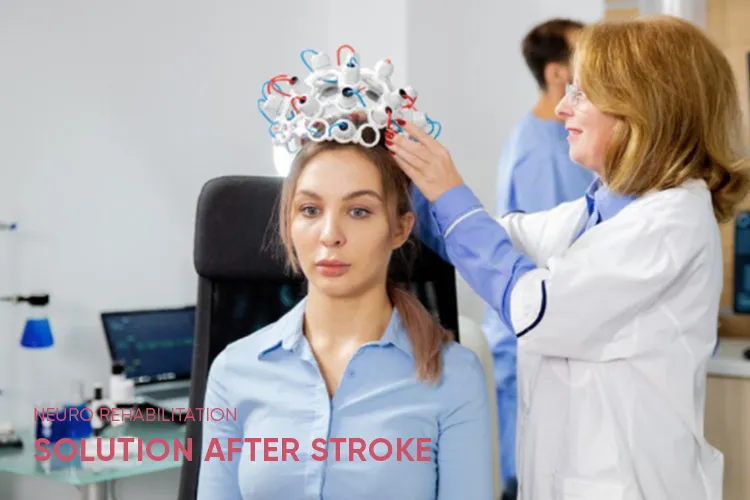
Given the patient’s advanced age and chronic neurological condition, the care team and family sought a supportive, non-invasive neuro-rehabilitation approach. NeuroReBorn™ Clinical Ultra was introduced as part of a comprehensive home-based supportive care strategy.
- Designed to support neural signal transmission
- Appropriate for chronic post-stroke patients
- Safe and suitable for elderly individuals
- Compatible with antihypertensive medication and gentle physical therapy
Observed Outcomes
Following consistent and guided use, the patient and caregivers reported the following supportive outcomes:
- Reduction in persistent numbness and tingling sensations
- Decreased muscle spasticity, with limbs feeling more relaxed
- Improved tolerance to gentle stretching and daily care activities
- Better sleep quality and reduced nighttime discomfort
- Improved emotional stability and participation in rehabilitation exercises
Clinical Perspective
In elderly patients with long-standing post-stroke sequelae, full neurological recovery is not a realistic objective. The primary goal of care is to reduce symptom burden, improve comfort, and enhance quality of life.
NeuroReBorn™ Clinical Ultra is not intended to replace standard medical treatment but may serve as a supportive neuro-rehabilitation solution when integrated into a comprehensive care plan.
Conclusion
This case highlights the importance of addressing central neural dysfunction in chronic stroke patients. For Mrs. Eleanor Thompson, a supportive approach focusing on neural pathways rather than isolated muscle treatment contributed to meaningful improvements in daily comfort and overall well-being.