Introduction: From Clinical Observation to Algorithm-Based Diagnosis
Stroke and neurological disorders have long been diagnosed primarily through clinical experience, imaging techniques such as CT or MRI, and isolated scoring systems. However, real-world clinical outcomes reveal significant limitations in this approach.
Patients with similar brain lesions often develop entirely different functional impairments. This discrepancy highlights the need for a structured, algorithm-driven diagnostic framework that evaluates not only brain injury, but also the entire neural transmission system.
---Scientific Foundation of the Diagnostic Algorithm
The diagnostic algorithm is grounded in well-established principles of neuroscience and systems medicine. Its design integrates multiple physiological and neurological dimensions.
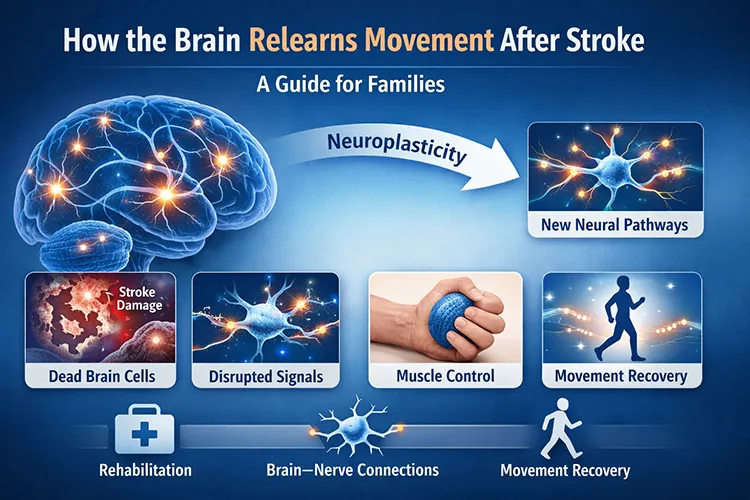
- Neuroplasticity Theory: The brain retains the ability to reorganize neural networks after injury, provided that appropriate and continuous stimulation is applied. Improper stimulation may result in maladaptive plasticity, leading to spasticity, tremor, or abnormal movement patterns.
- Disrupted Neural Pathway Model: Stroke is not merely cell death within the brain, but a disruption of signal transmission along the corticospinal, sensory, and autonomic pathways.
- Central–Peripheral Integration: Neurological function depends on continuous feedback between the central nervous system, peripheral nerves, muscles, and the cardiovascular system.
Algorithm Architecture and Diagnostic Layers
The algorithm operates through a structured, multi-layered framework that transforms raw physiological data into actionable clinical insights.
- Data Acquisition: Multisite blood pressure, heart rate variability, limb motor performance, speech clarity, swallowing function, and involuntary movements.
- Feature Extraction: Identification of asymmetry, delayed motor response, tremor frequency, muscle tone abnormalities, and autonomic instability.
- Neural Mapping: Correlation of clinical features with specific brain regions and neural tracts, including corticospinal and extrapyramidal pathways.
- Severity Scoring Engine: Conversion of multidimensional inputs into a functional impairment and recovery risk score.
- Clinical Decision Support: Generation of individualized recommendations for monitoring, rehabilitation, and secondary stroke prevention.
Implementation Models in the United States
In the United States, advanced neurological diagnostic algorithms are actively integrated into clinical decision support systems across leading medical institutions.
- Academic Medical Centers: Institutions such as Mayo Clinic and NIH-supported StrokeNet programs utilize machine learning to predict functional recovery and long-term disability after stroke.
- FDA-Regulated Clinical Decision Software: The FDA has established a regulatory framework allowing software to assist clinicians in diagnosis and treatment planning without replacing physician judgment.
- AI-Based Neuroimaging Platforms: Systems like Brainomix demonstrate how algorithmic analysis can reduce diagnostic time and improve patient outcomes.
Clinical and Commercial Significance
This diagnostic algorithm extends beyond traditional imaging-centered models by focusing on functional neural transmission, making it particularly valuable for long-term post-stroke patients.
- Home-Based Monitoring: Enables early detection of deterioration and secondary stroke risk.
- Personalized Rehabilitation: Guides targeted therapy based on neural pathway involvement rather than symptoms alone.
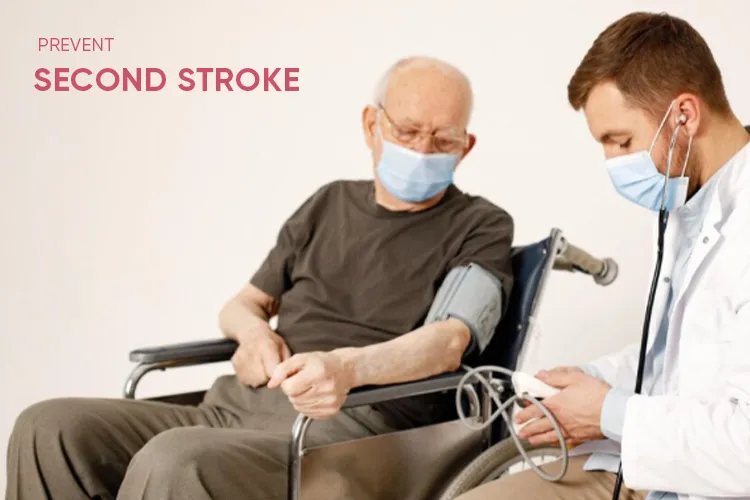
- Secondary Stroke Prevention: Identifies hidden physiological instability that may precede recurrent stroke.
Scientific References and Evidence Base
- Kleim JA, Jones TA. Principles of Experience-Dependent Neural Plasticity. Journal of Speech, Language, and Hearing Research.
- NIH StrokeNet Consortium. National Institutes of Health.
- FDA. Clinical Decision Support Software Guidance.
- Mayo Clinic Proceedings. Artificial Intelligence in Neurology.
Conclusion: Algorithm-based neurological diagnosis represents a critical evolution in stroke care, bridging the gap between imaging, physiology, and long-term functional recovery.